Legendary Kiwi eye doctor, Professor Fred Hollows knew cataract blindness could be treated. The challenge was making surgery available to everyone who needed it. His answer was practical: reduce the cost of the lens, train local eye care teams, and support communities to deliver care themselves.
Cataract surgery is one of the most effective ways to restore sight. During the operation, the eye’s natural lens that has become clouded is removed and replaced with a small artificial lens called an intraocular lens, or IOL. The surgery is often straightforward, but for many people living in low- and middle-income countries, the cost of treatment has put it out of reach.
Fred Hollows set out to change that.
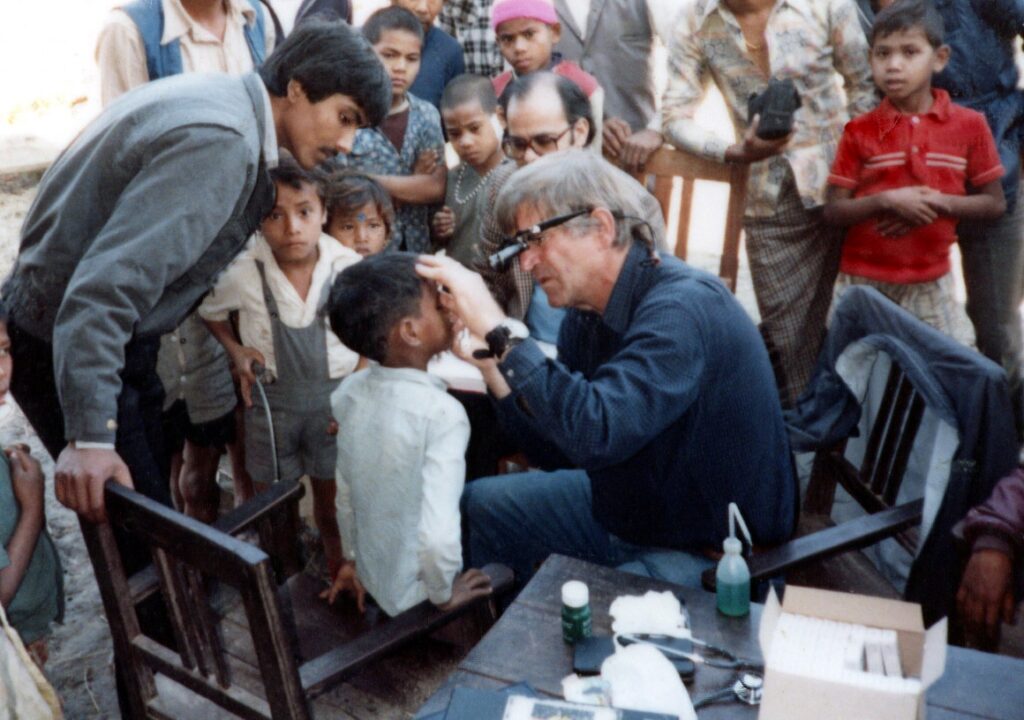
In 1985, Fred travelled through Nepal, Myanmar, Sri Lanka, India and Bangladesh while working with the World Health Organization. Two years later, he visited Eritrea. These visits showed him how many people were living with blindness, not because treatment did not exist, but because services, equipment and trained eye care workers were too limited or too expensive.
For Fred, the issue was not only medical. It was about fairness. As he once said, “Good eye service is the right of everybody, not just the wealthy who can afford it.”
The small lens that made a big difference
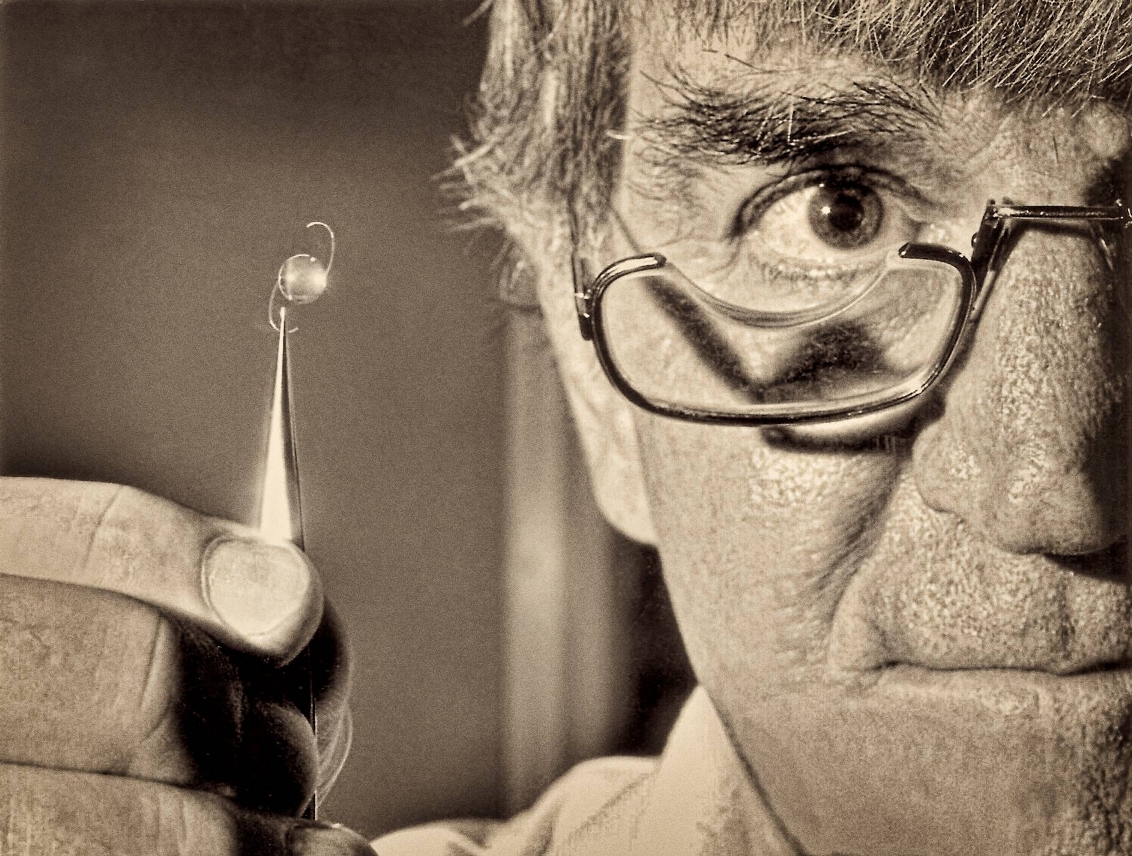
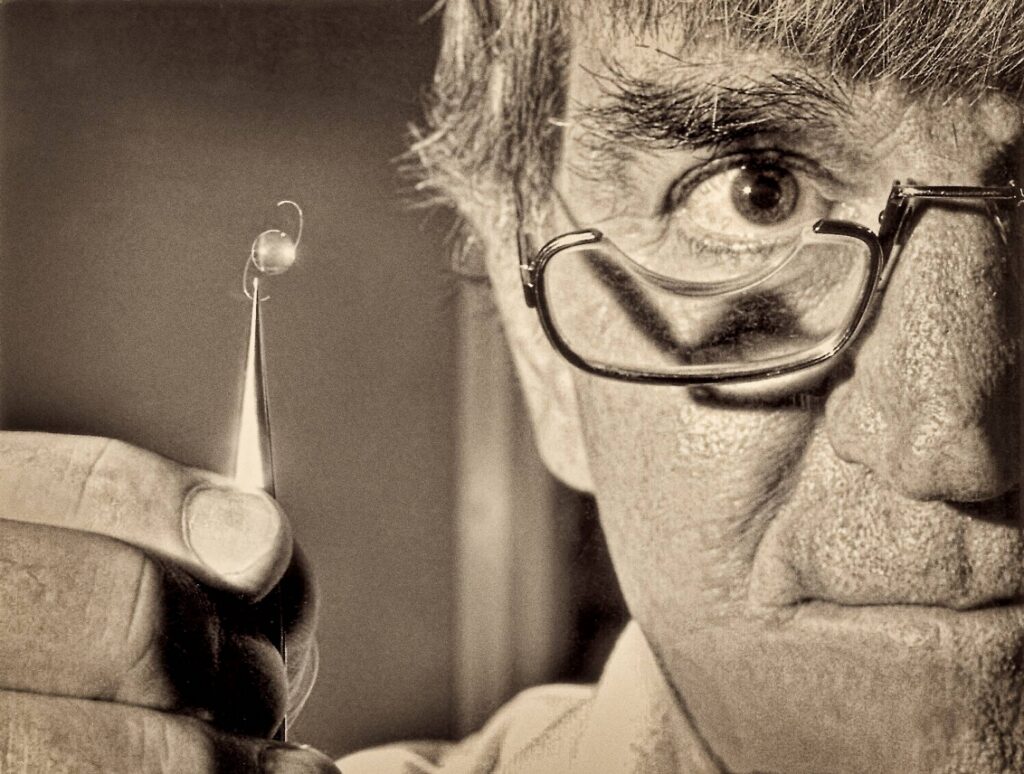
One of the biggest costs in cataract surgery was the intraocular lens. Imported lenses could cost hundreds of dollars each, making surgery unaffordable for many people. Fred saw that if the lens could be made for less, more people could receive the surgery they needed.
His solution was practical and bold: support local production.
Fred helped establish intraocular lens factories in Nepal and Eritrea, so communities could make affordable lenses close to where they were needed. Producing lenses locally reduced the cost significantly and helped make modern cataract surgery possible for many more people.
The difference was substantial. The cost of an intraocular lens fell from more than $200 to as little as $7, helping to significantly reduce the cost of cataract surgery.
Working alongside local leaders
Fred’s work was never about bringing in short-term help and leaving. He believed in supporting local people to lead local solutions.
In Nepal, Fred worked closely with Dr Sanduk Ruit. Together, they planned an intraocular lens factory that could mass-produce the lenses needed for cataract surgery. Fred mentored Dr Ruit, who went on to help establish the Fred Hollows Intraocular Lens Laboratory with the support of The Foundation.
That focus on local leadership mattered. It meant communities were not dependent on expensive imported lenses or visiting surgical teams. Instead, local eye care workers could build the skills, services and supply chains needed to restore sight for more people, year after year.
The factories he inspired continue to operate independently today. Together, they produce around 250,000 lenses each year and have distributed more than eight million since opening. These lenses are used in more than 50 countries, helping people who might otherwise remain blind.
More than lowering a price
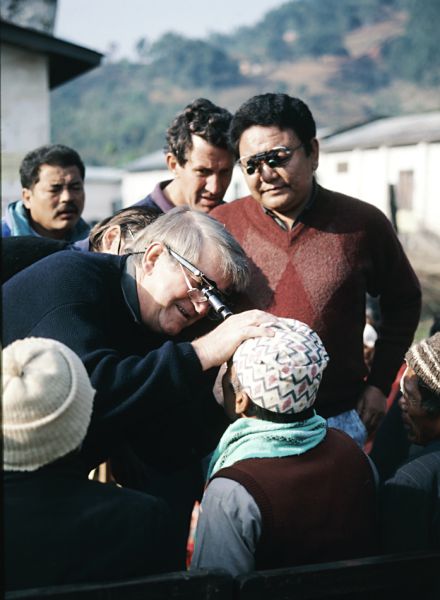
Making cataract surgery more affordable was not just about reducing the cost of an IOL. Fred also championed training, so that knowledge and skills could be passed on and built up in local communities.
This approach helps more people access treatment closer to home. It also supports doctors, nurses and health workers to provide care within their own communities.
For someone with cataract blindness, the result can be life-changing. Restored sight can mean returning to work, going back to school, caring for family, moving around safely and taking part in community life again.
Fred’s legacy today
Fred Hollows showed that high-quality eye care does not have to be out of reach. By focusing on local production, local training and practical solutions, he helped change the way cataract surgery could be delivered in places where cost had been a major barrier.
Today, we continue that work in the Pacific by supporting sight-restoring surgery, training local eye care specialists, and strengthening health systems that communities can rely on.
Ass Fred once said, “It’s obscene to let people go blind when they don’t have to.” That belief still drives our work every day.
Cataract surgery may take only a short time, but the impact can last a lifetime.