
Dr Lissing is training to restore sight and help more people across Papua New Guinea access the eye care they need.
For Dr Lissing Hames, one of the most rewarding moments of becoming an eye doctor is seeing a patient’s smile when their eye bandages are removed after surgery.
After years of being unable to see, they are able to see the faces of those they love. For Dr Lissing, those smiles are a powerful reminder of why she chose to specialise in eye care.
“It’s really rewarding to see patients have that happiness, the smile post-cataract surgery,” she says.
Dr Lissing is training to become an eye doctor at the University of Papua New Guinea. She hadn’t always planned to specialise in eye care, but when a training opportunity opened up, she decided to give it a try.
After her first year, she knew she wanted to stay.
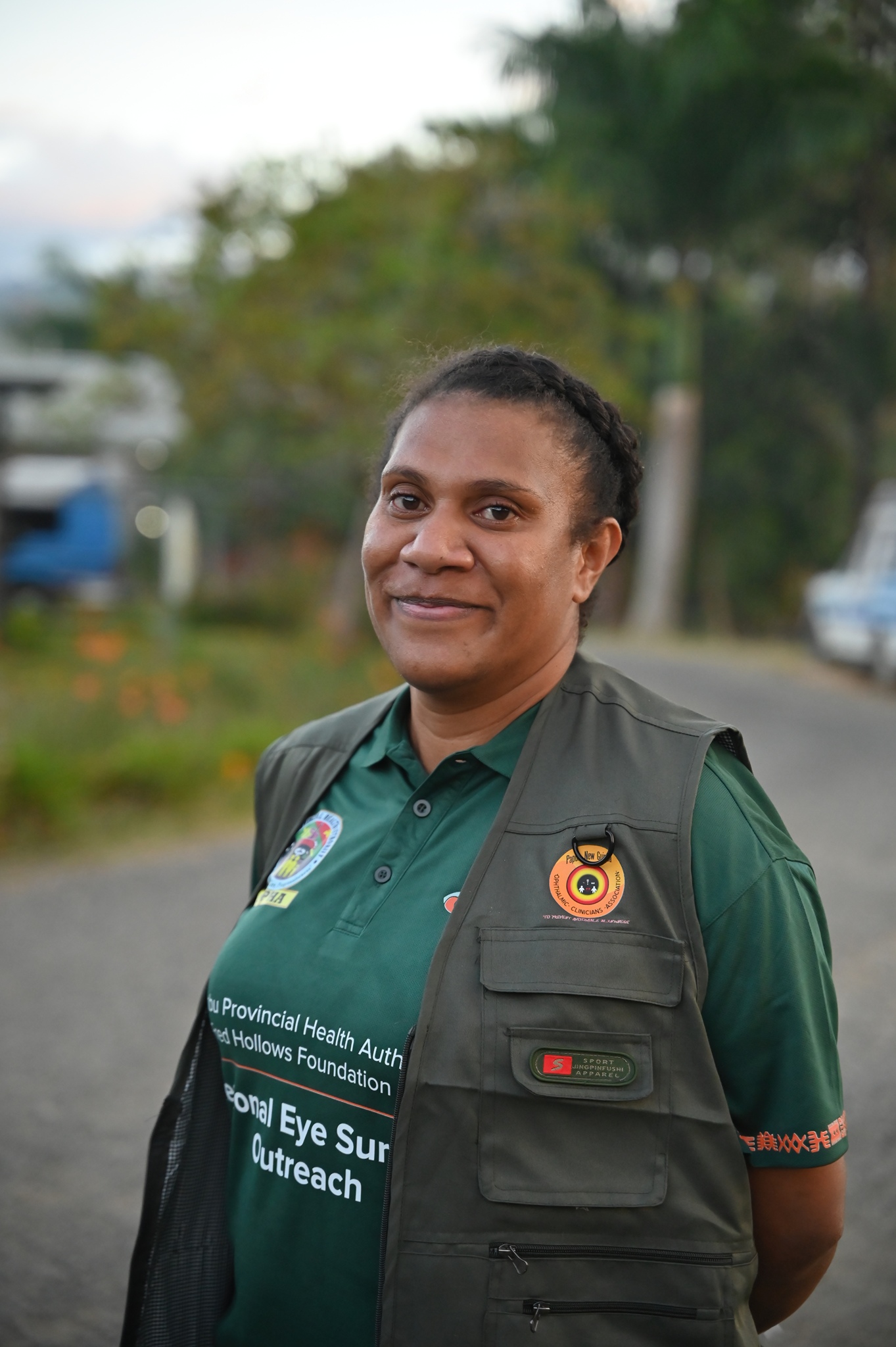
Her decision to stay in eye care was strengthened by seeing how restored sight helps patients regain their independence, allowing them to return to gardening, move around independently, and do the things they enjoy.
“It makes me happy that they are able to do that on their own, and we give them that opportunity to be independent.”
In Papua New Guinea’s remote Simbu Province, reaching an eye doctor can take hours – if not days. For some families, distance puts treatment out of reach.
Outreach clinics bring essential eye care closer to remote Pacific communities. Dr Lissing has seen firsthand the difference they make for needlessly blind people who might otherwise go without treatment.
During an outreach in Simbu, Dr Lissing met five-year-old Rose. Born with cataracts in both eyes, she could only see light and shadow.
Rose’s family didn’t know her blindness was treatable. When they heard about the outreach, her aunty carried Rose for hours over rugged terrain, then travelled several more hours by vehicle to reach the eye doctors.
The team confirmed that Rose’s blindness could be treated. Dr Lissing assisted experienced eye doctor Dr Mulusew Melesse as he removed Rose’s cataracts.
The next day, when Rose’s bandages were removed, she looked around in wonder and saw her aunty’s face for the first time. “Her eyes are no longer smoky – the blackness has become clear,” her aunty said. “I am happy, her parents will be happy.”
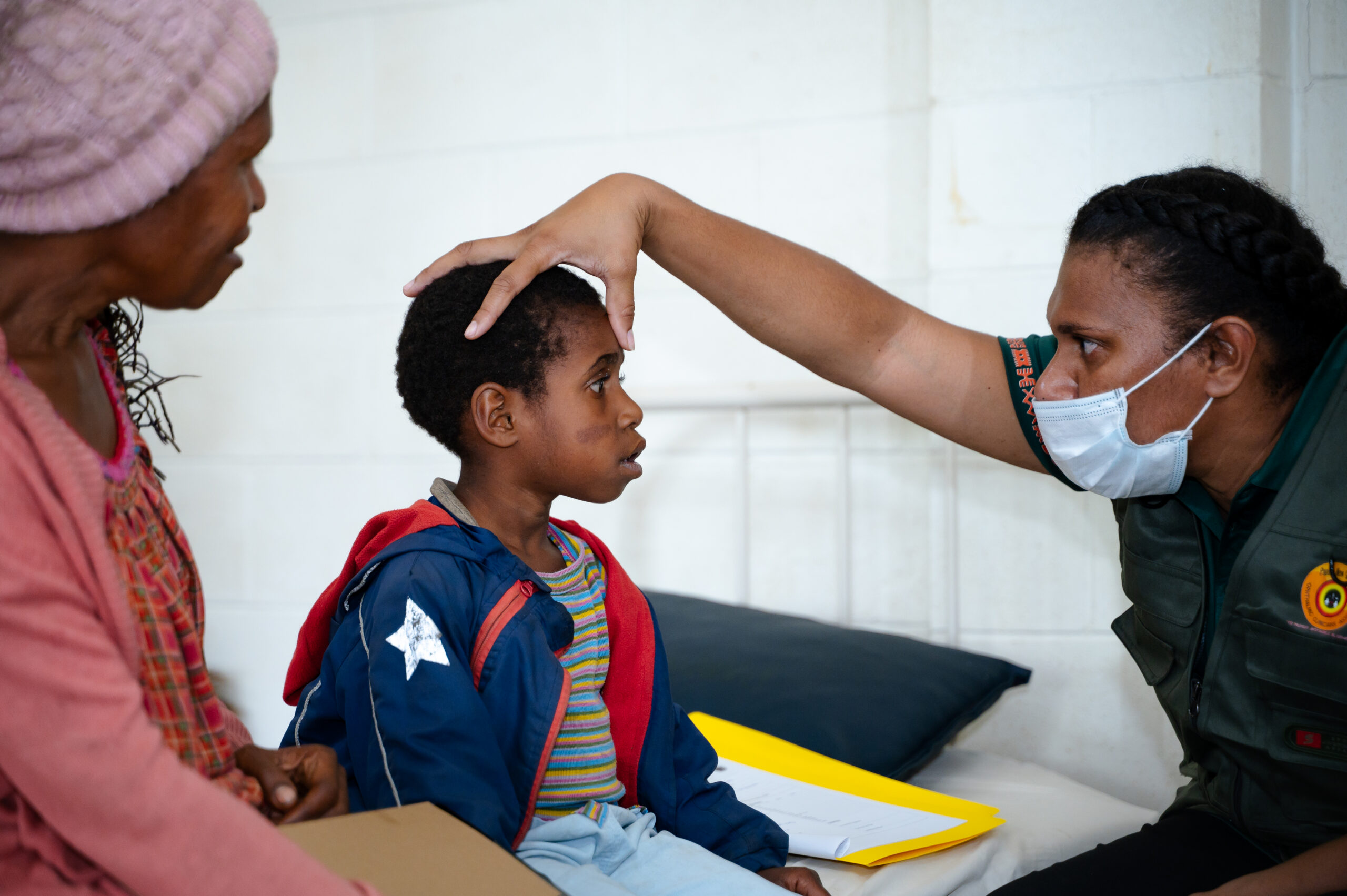
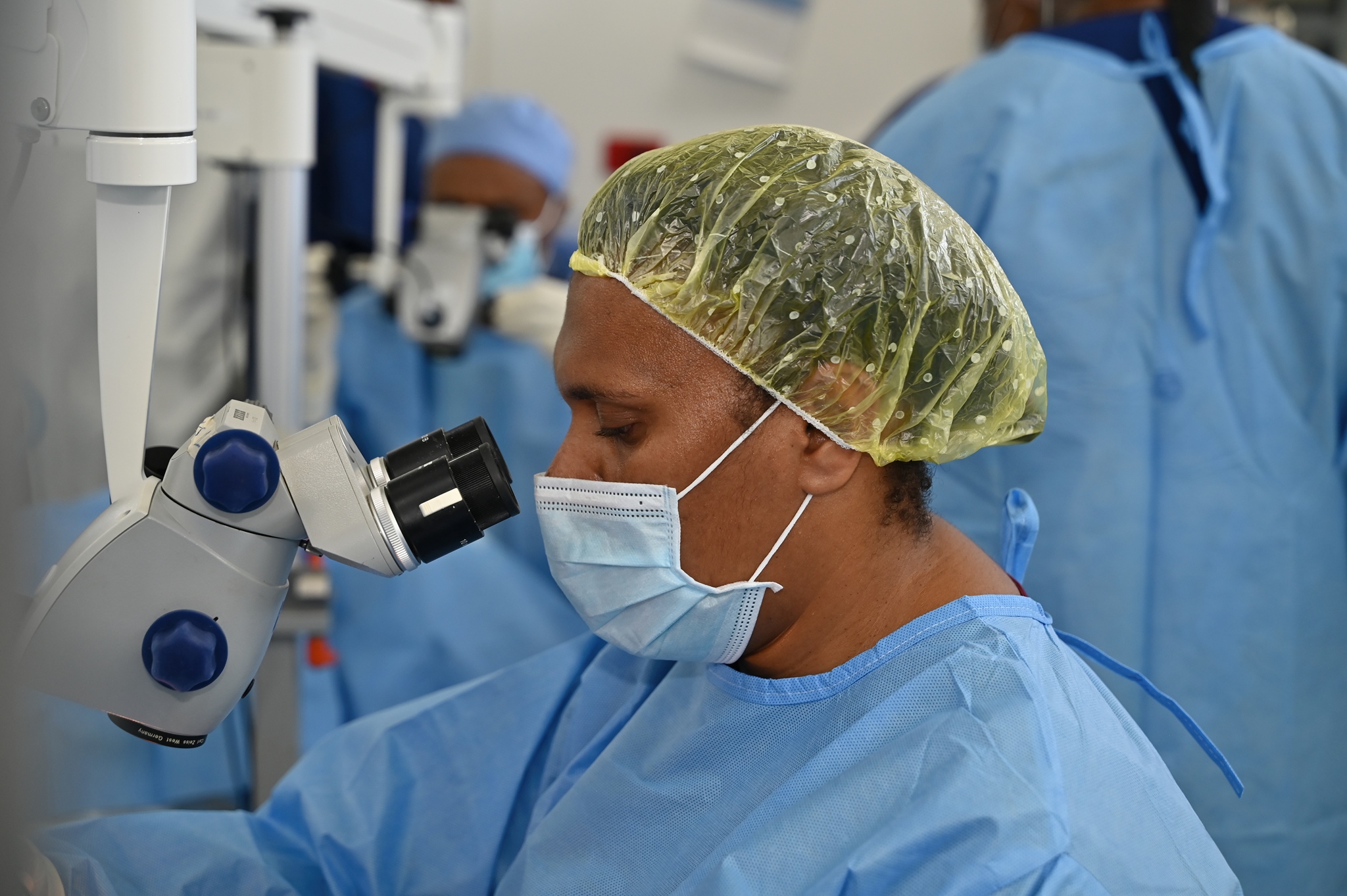
As a trainee eye doctor, Dr Lissing gains valuable hands-on experience at these outreach clinics, supported by The Fred Hollows Foundation NZ and local partners.
Working alongside Dr Mulusew, she learnt techniques to improve her surgical skills and gained experience diagnosing and treating a wide range of eye conditions.
“I’m able to see a lot of different cases in just a few weeks,” she says.
For Dr Lissing, these opportunities help turn what she’s learnt in textbooks into practical skills she can use to care for more patients.
There aren’t enough eye doctors in Papua New Guinea to meet the need for essential eye care, particularly in rural and remote communities.
Training more local eye doctors and nurses is an important part of addressing this challenge. With more skilled professionals, eye care services can reach more communities, reducing the distance families, like Rose’s, need to travel for treatment.
Thanks to the generosity of New Zealander supporters, The Fred Hollows Foundation NZ works alongside local partners to help eye doctors like Dr Lissing complete their training.
The support includes tuition fees, textbooks, specialist equipment, experienced lecturers, and opportunities to gain practical surgical experience. For Dr Lissing, this support has made a meaningful difference, both to her training and to the patients she cares for.
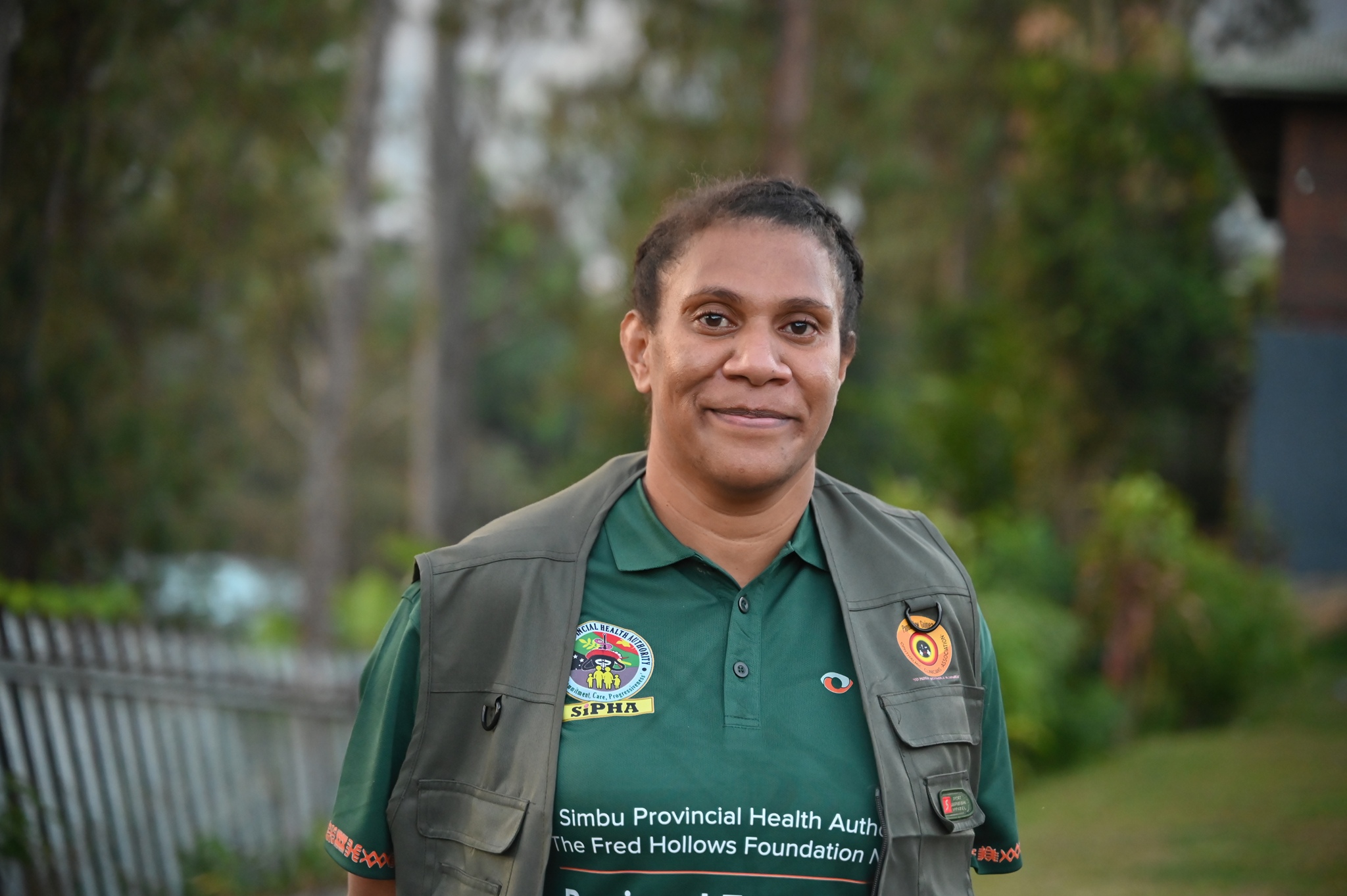
Your support today can help train more local eye doctors and nurses, so more people like Rose can access sight-restoring eye care closer to home.
Your gift can help train local eye doctors and nurses, bringing essential eye care closer to communities across the Pacific so more needlessly blind people can receive the treatment they urgently need.


